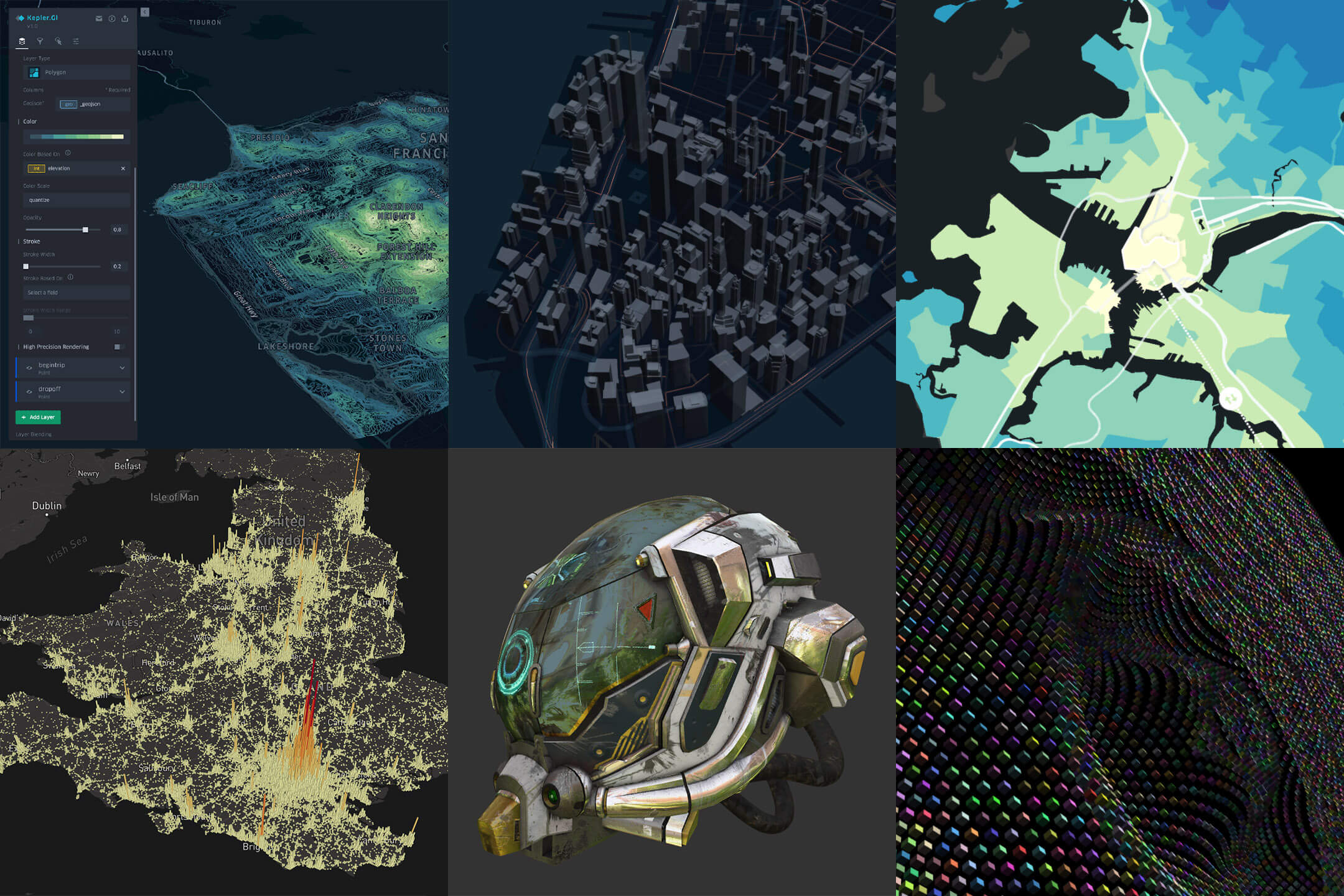
Open source tools for big data loading, compute and visualization
Composable frameworks for maps, graphics, and data.
Frameworks with Websites
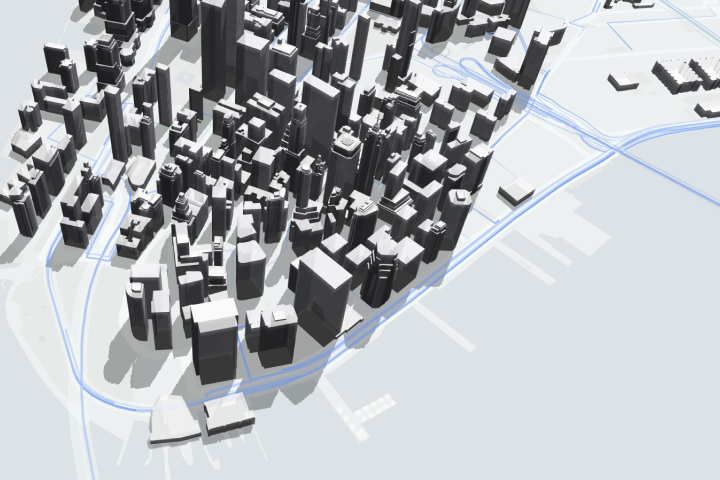

Framework Documentation
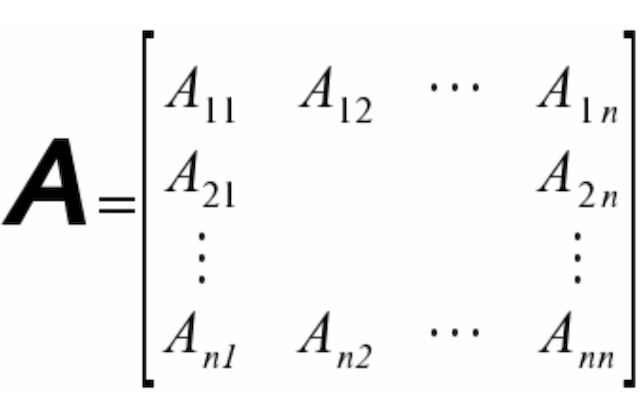
math.gl
3D and geospatial math utilities.
Explore docs →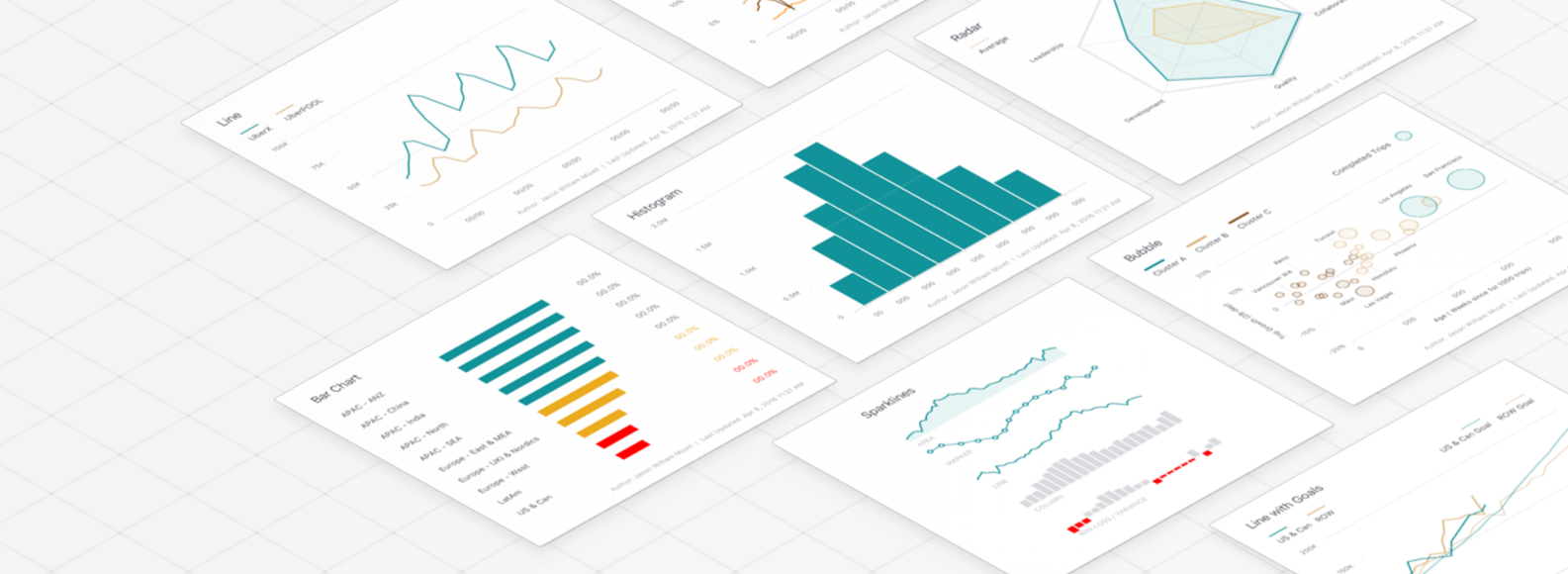
probe.gl
Logging, instrumentation, benchmarking and test utilities.
Explore docs →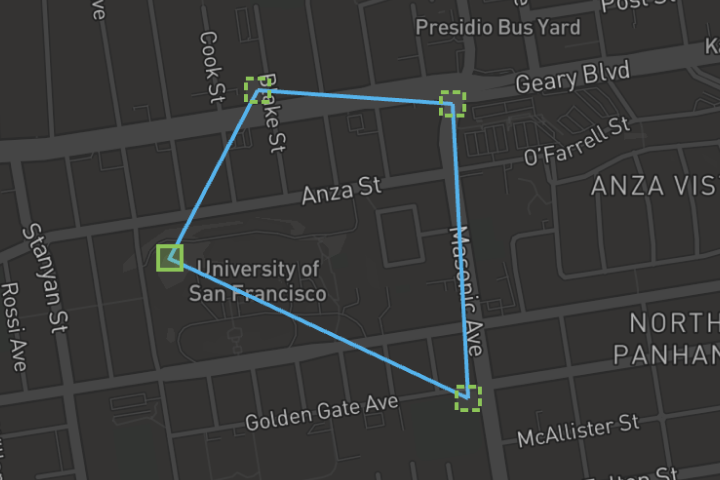
deck.gl-community
Community layers, basemaps and deck.gl add-ons.
Explore docs →
tangram.gl
Tangram rendering and deck.gl basemap integration.
Explore docs →
react-map-gl
React components for Mapbox GL JS and MapLibre GL JS.
Explore docs →
react-google-maps
React components and hooks for the Google Maps JavaScript API.
Explore docs →Internal Frameworks


vis.gl is an open source suite of composable frameworks for geospatial visualization, with projects that work independently or together around deck.gl.
Contribution
vis.gl is built in the open. Contributions are welcome from individuals, companies, and research teams.
Lead Contributors


Sponsors


Created By

Open Governance
vis.gl projects are developed in the open. Join planning meetings, contribute code, or help shape the technical roadmap.


Frameworks
Browse the vis.gl Framework Catalog to find the right tools for your project. Use each framework on its own or combine them.